
Joseph Clark Collection
A living surface of modern and contemporary works, assembled in London.
Joseph Clark Advisory · London & internationally
Art advice from a fellow collector.
Your interests, your budget and the collection you want to build come first. Drawing on the experience of building and caring for his own collection, Joseph helps you think through an acquisition, find a direction or plan what comes next.
Fees and any gallery or seller commissions are discussed upfront.
Featured in The Art Journal
“Joseph Clark was first introduced to me by a gallerist as the ‘youngest collector’ they had ever met.”
Ella Slater profiles Clark's next-generation collecting practice, from early acquisitions to works by Louise Bourgeois, Phyllida Barlow, Glenn Ligon, France-Lise McGurn, Sutapa Biswas and Dana Schutz.

Quietly Assembled in London
Joseph Clark Collection
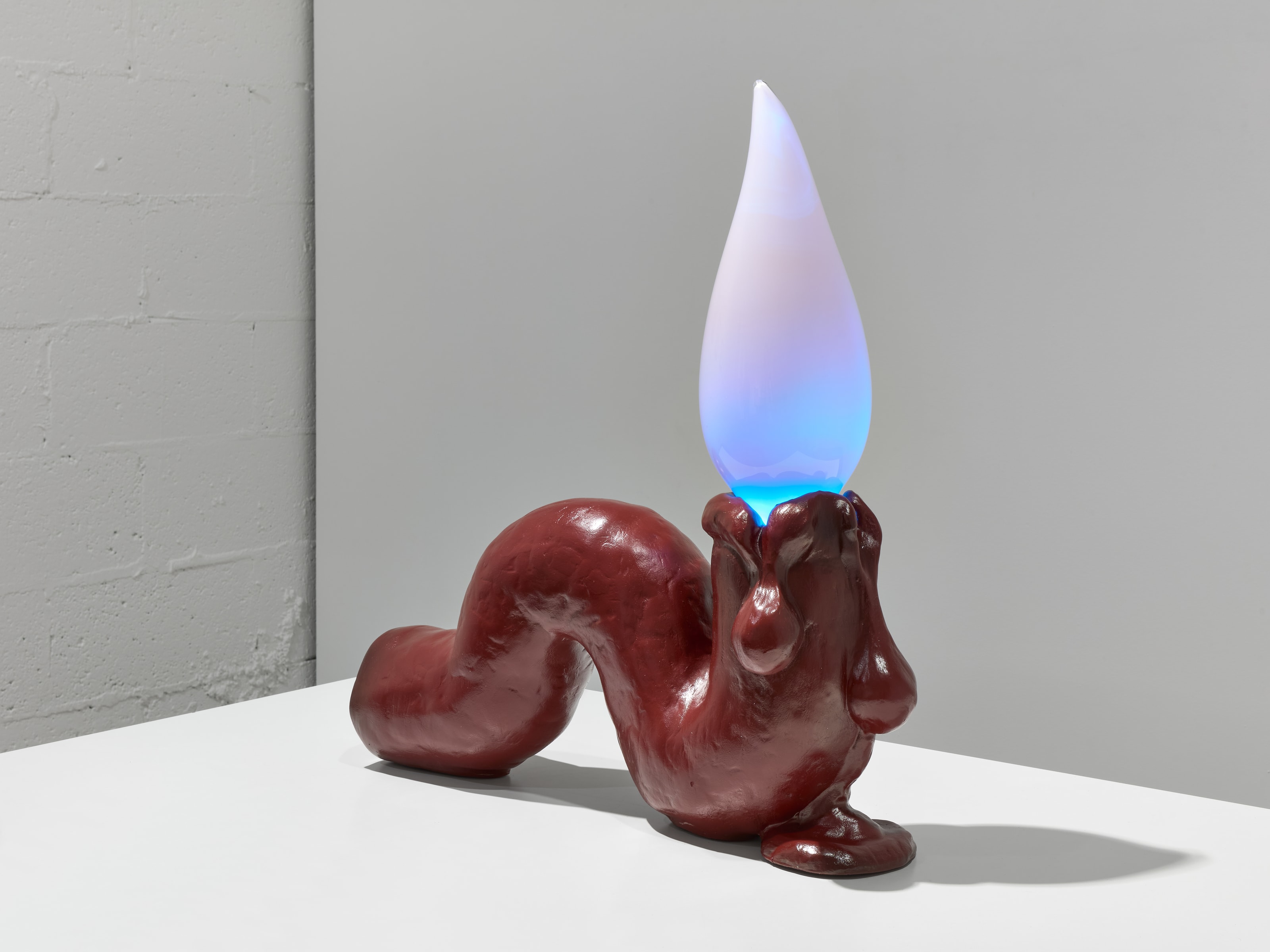
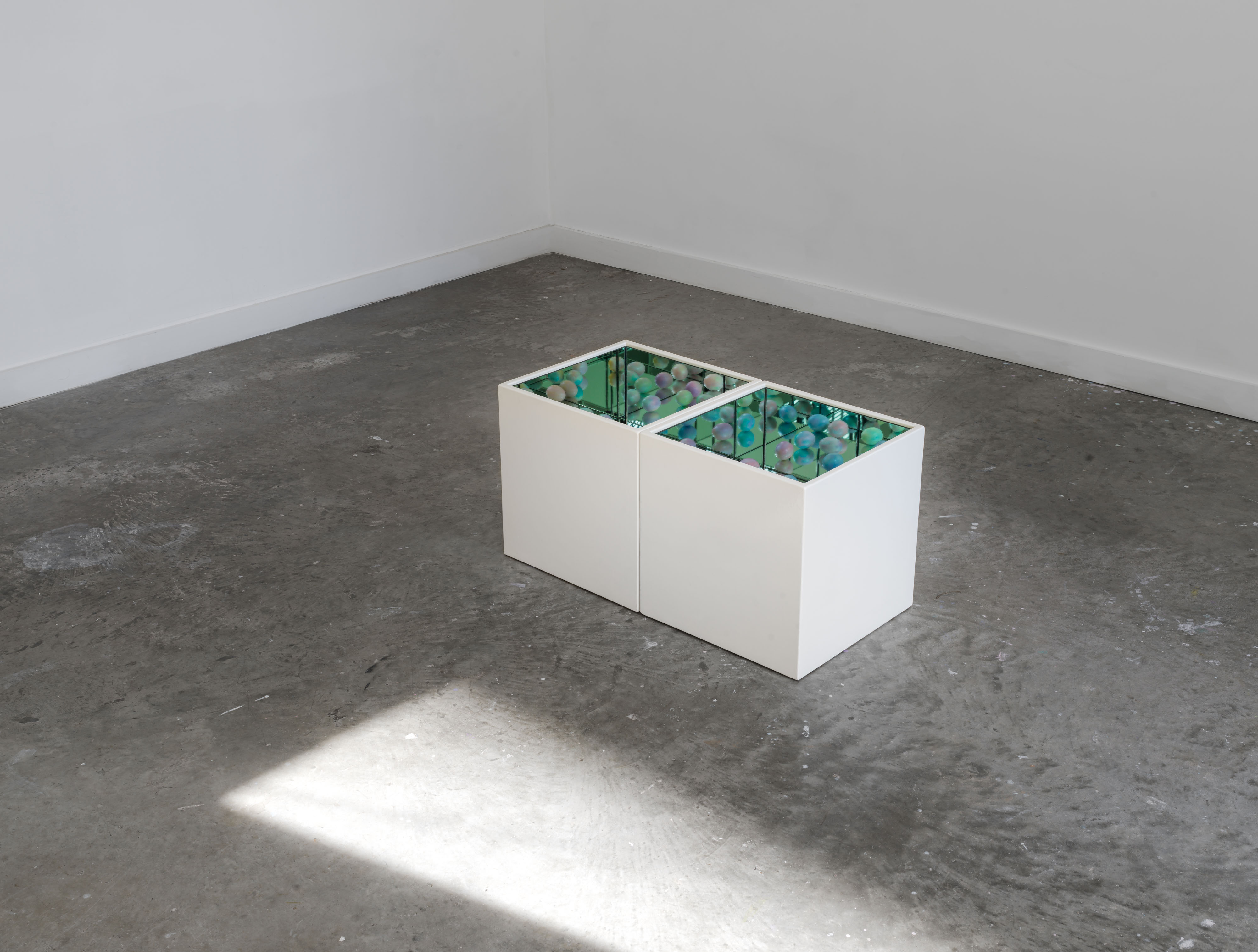
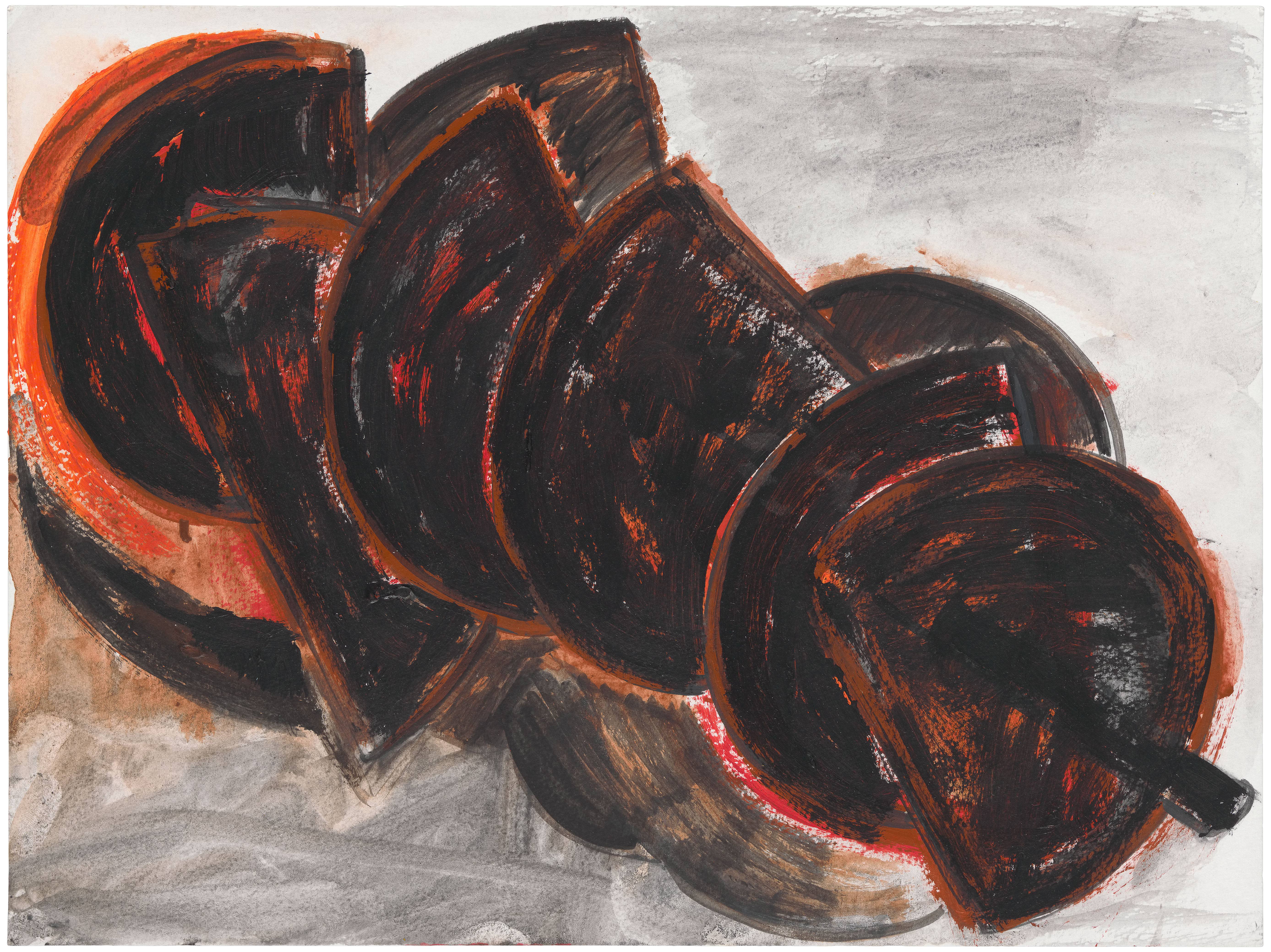
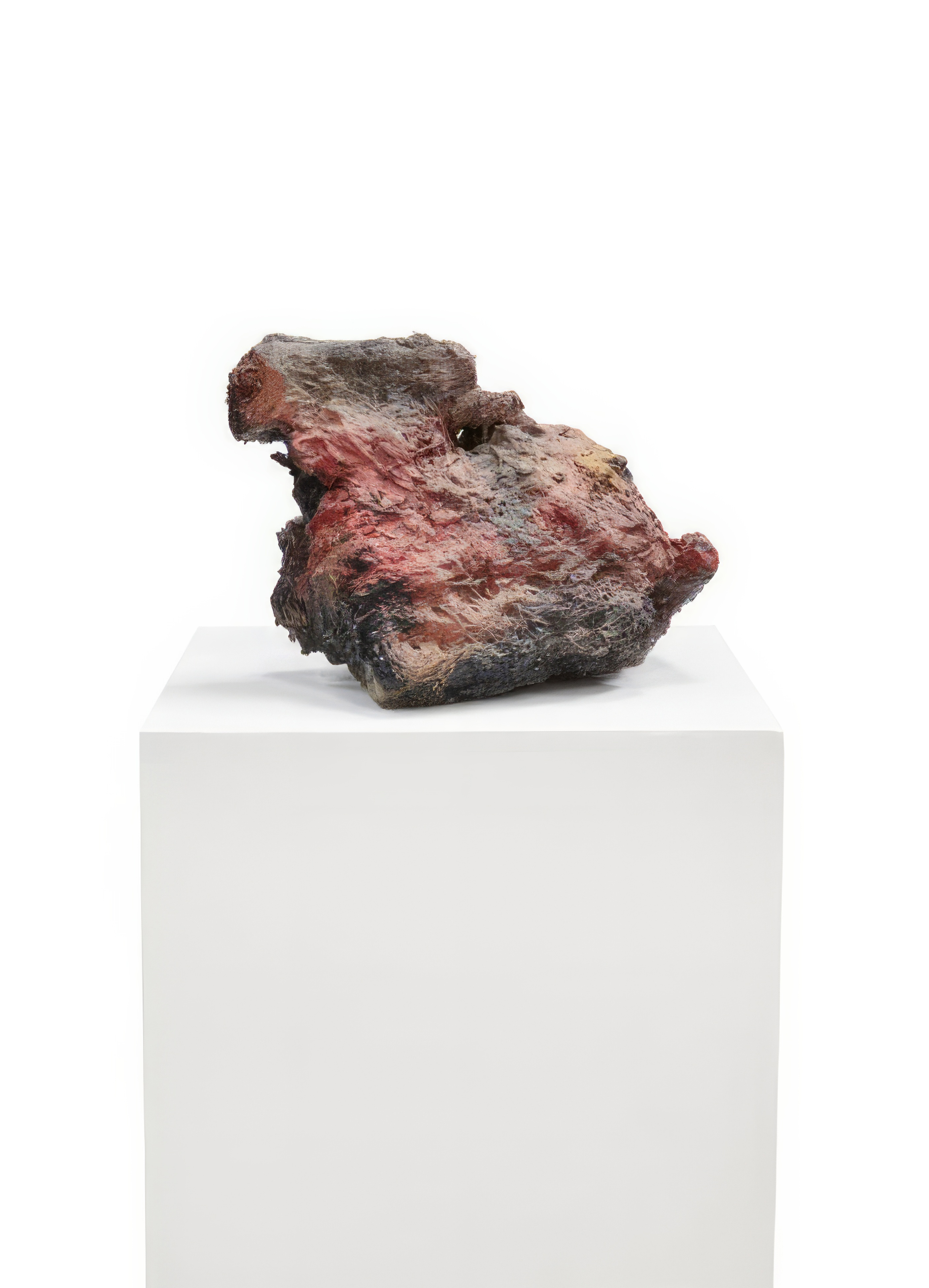
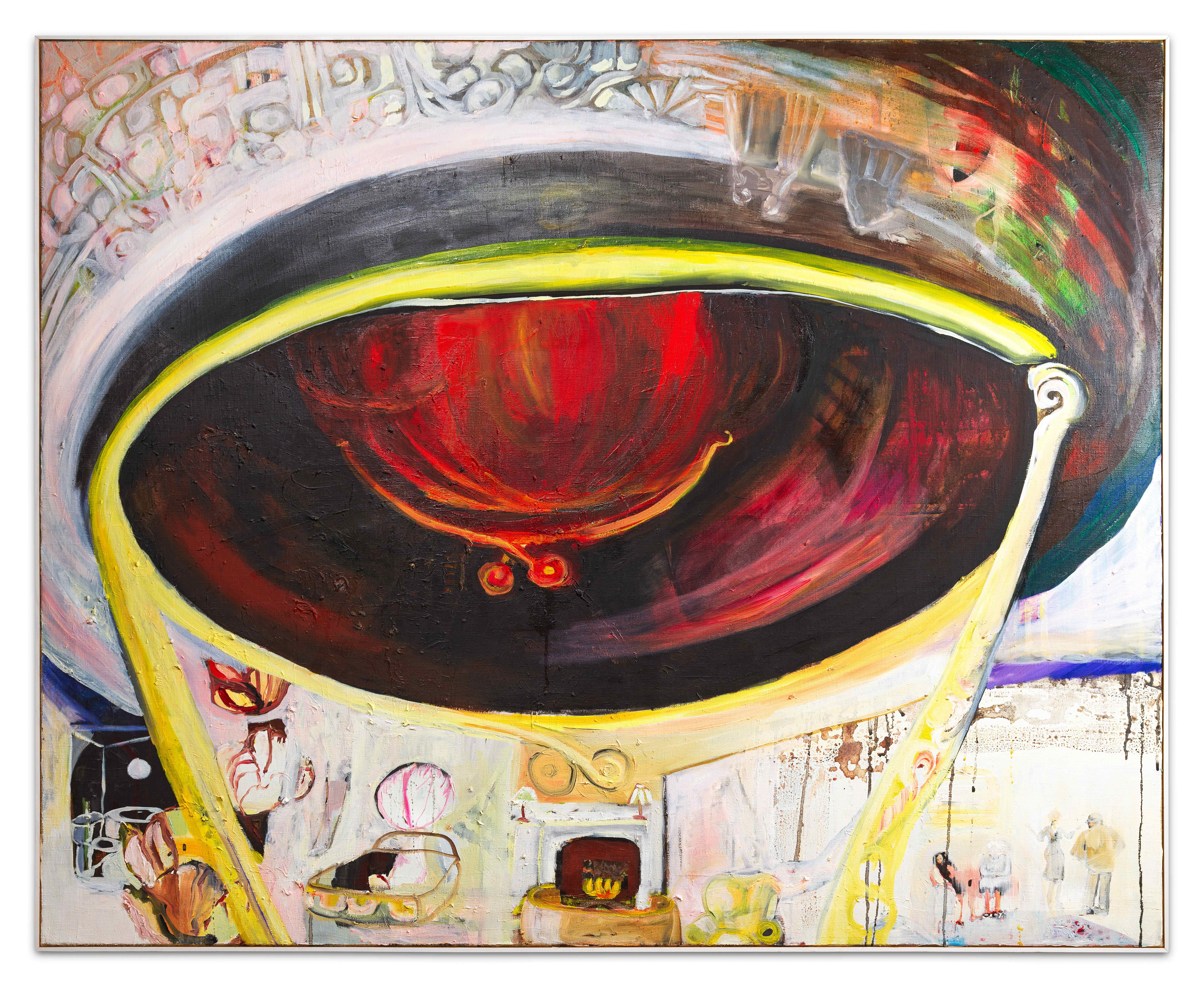
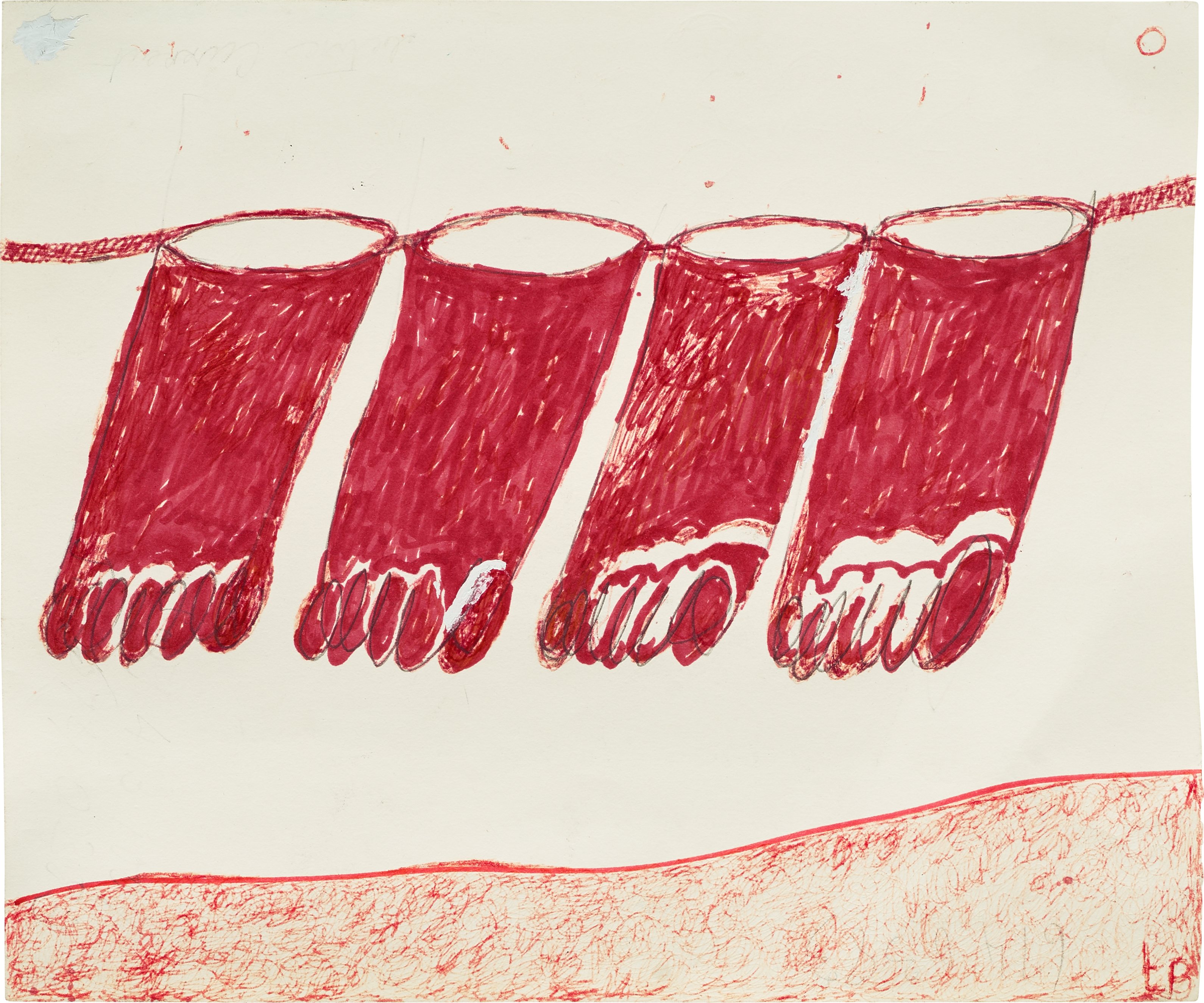
LondonThe Joseph Clark Collection brings together modern and contemporary works through a considered programme of acquisition, research and exchange. Guided less by style or period than by an interest in emotional charge and interior life, it follows the ways artists give form to states of mind that resist easy articulation. Across abstraction, sculpture and figurative practice, the works share an attentiveness to vulnerability, tension, intimacy and the unseen structures that shape human experience.
Many of the works engage with what is held beneath the surface: questions of identity, memory, power, desire and self perception recur throughout the collection. Rather than offering resolution, these works often remain open, unresolved or quietly confrontational, rewarding sustained looking and emotional attentiveness. Historical significance sits alongside personal resonance, allowing canonical figures and less widely seen voices to exist in dialogue.
The collection operates as a trading enterprise with a long-term view. Works are acquired with attention to artistic significance, provenance, condition and the possibilities for exhibition and study. Some remain in the collection for many years; others may be sold or placed as its direction develops. Considered transactions help sustain further acquisitions, research and the care of the works.
This approach depends on enduring relationships with artists, galleries, museums and fellow collectors. Loans, exhibitions and curatorial dialogue bring works into public and scholarly contexts, while relationships across the art world inform how they are acquired, cared for and placed over time.
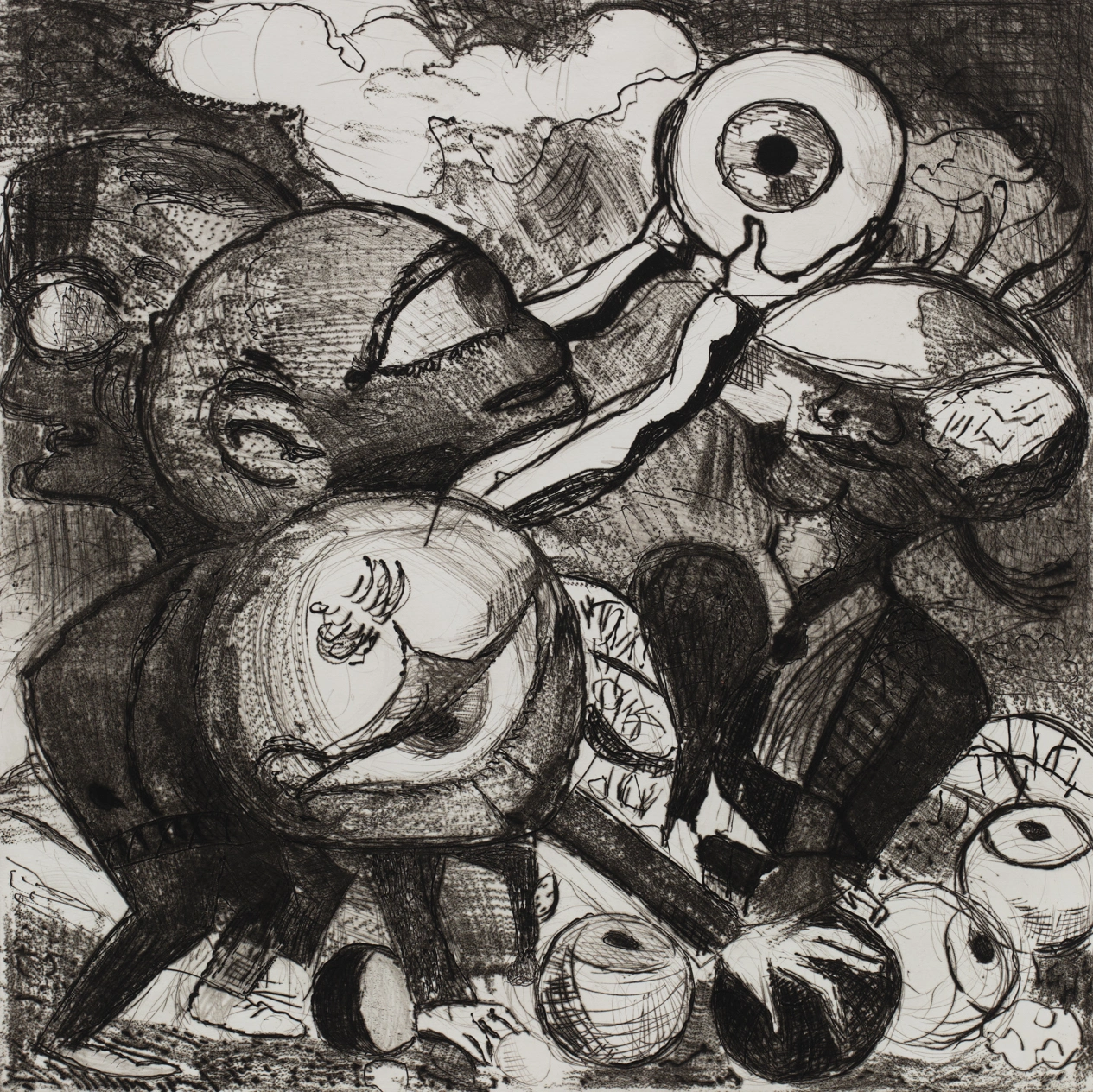
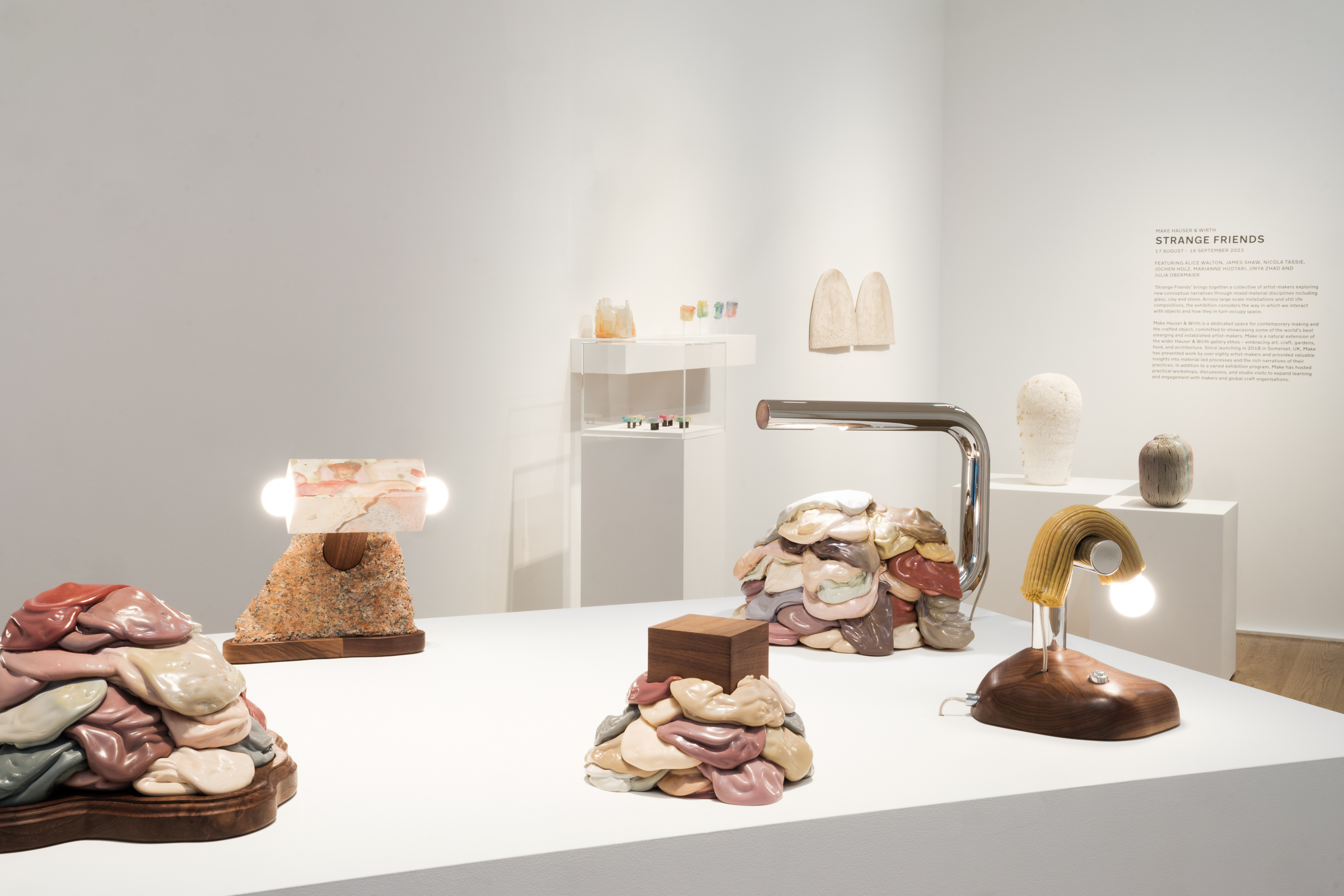
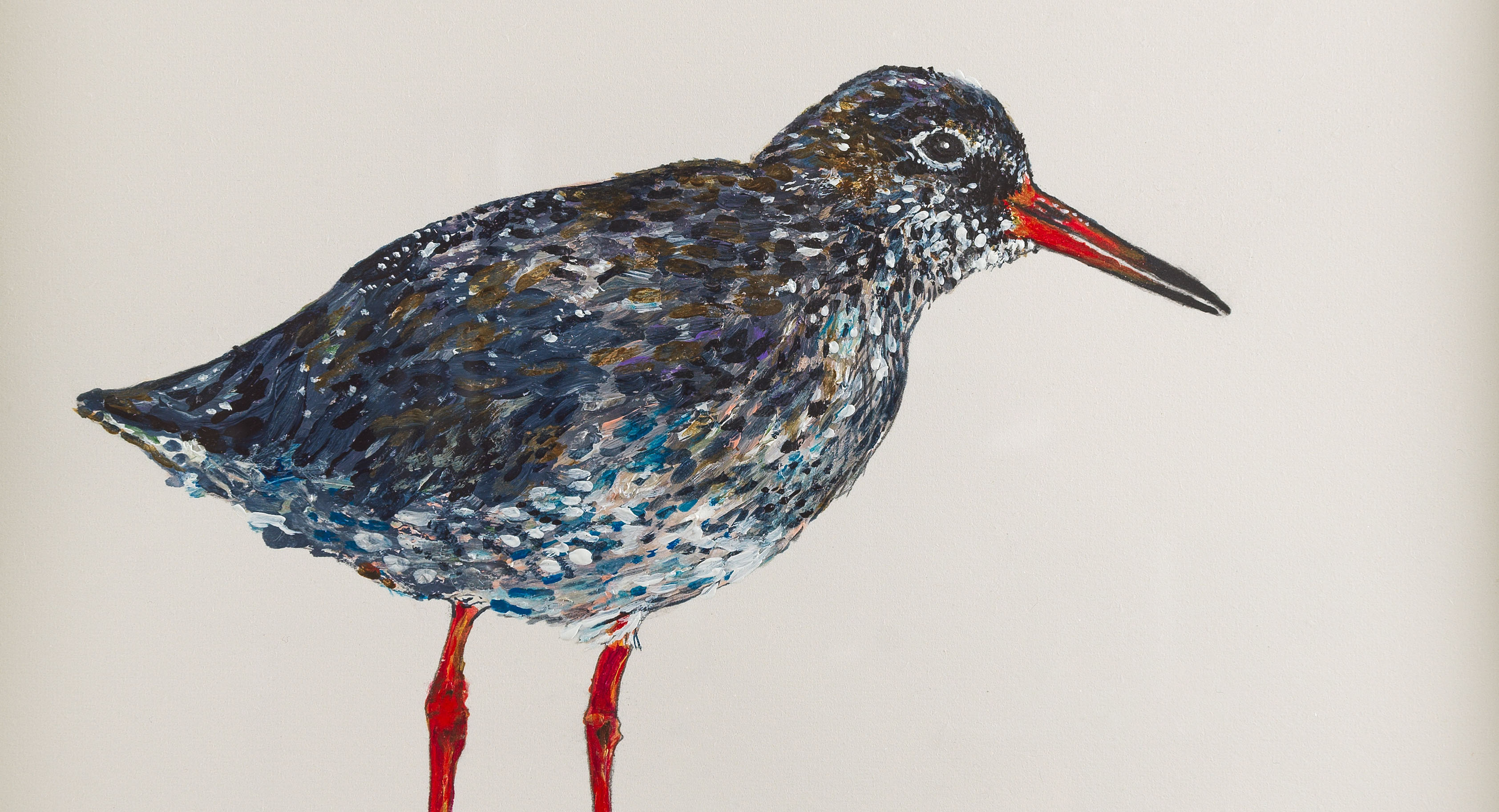
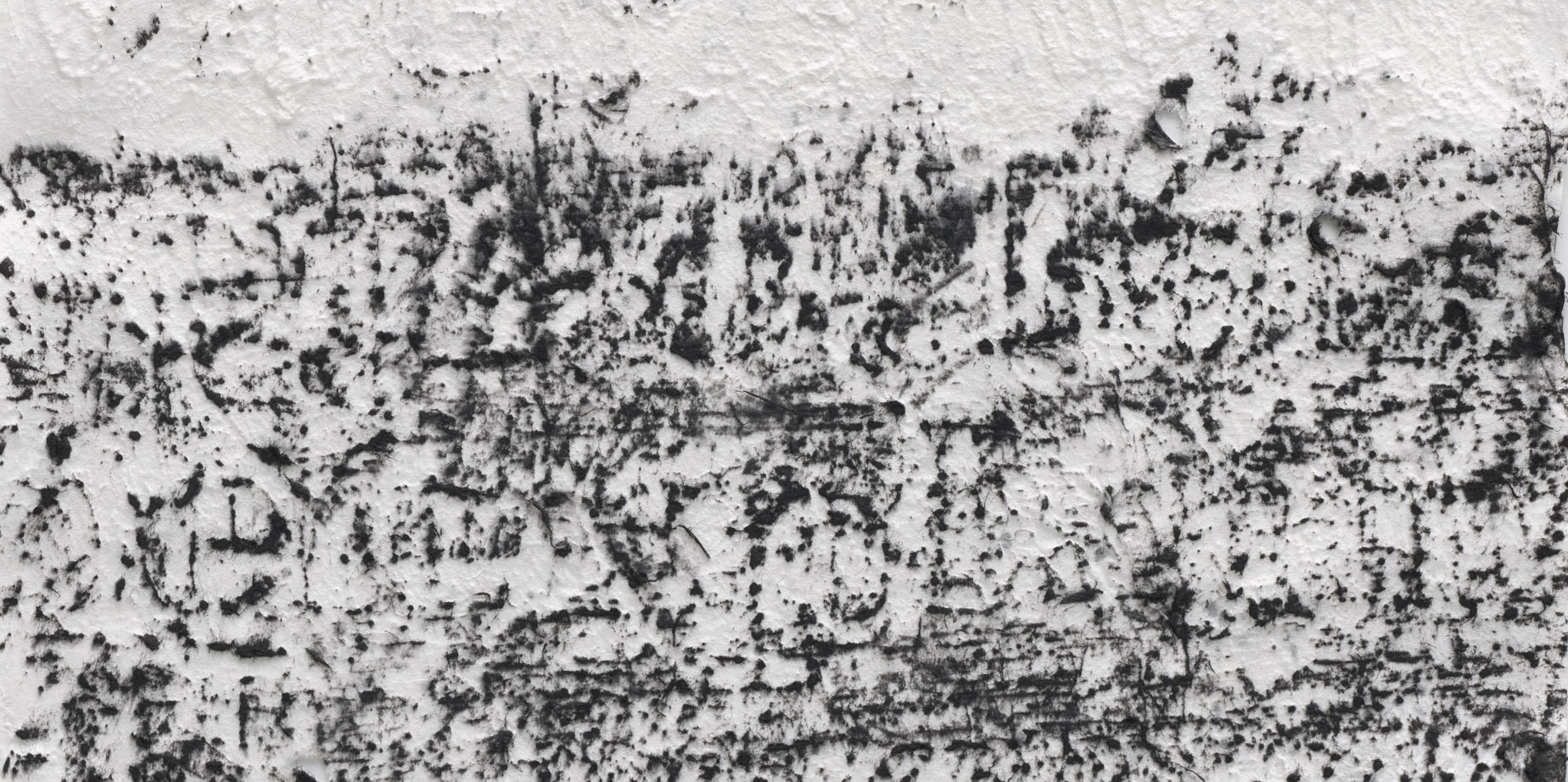
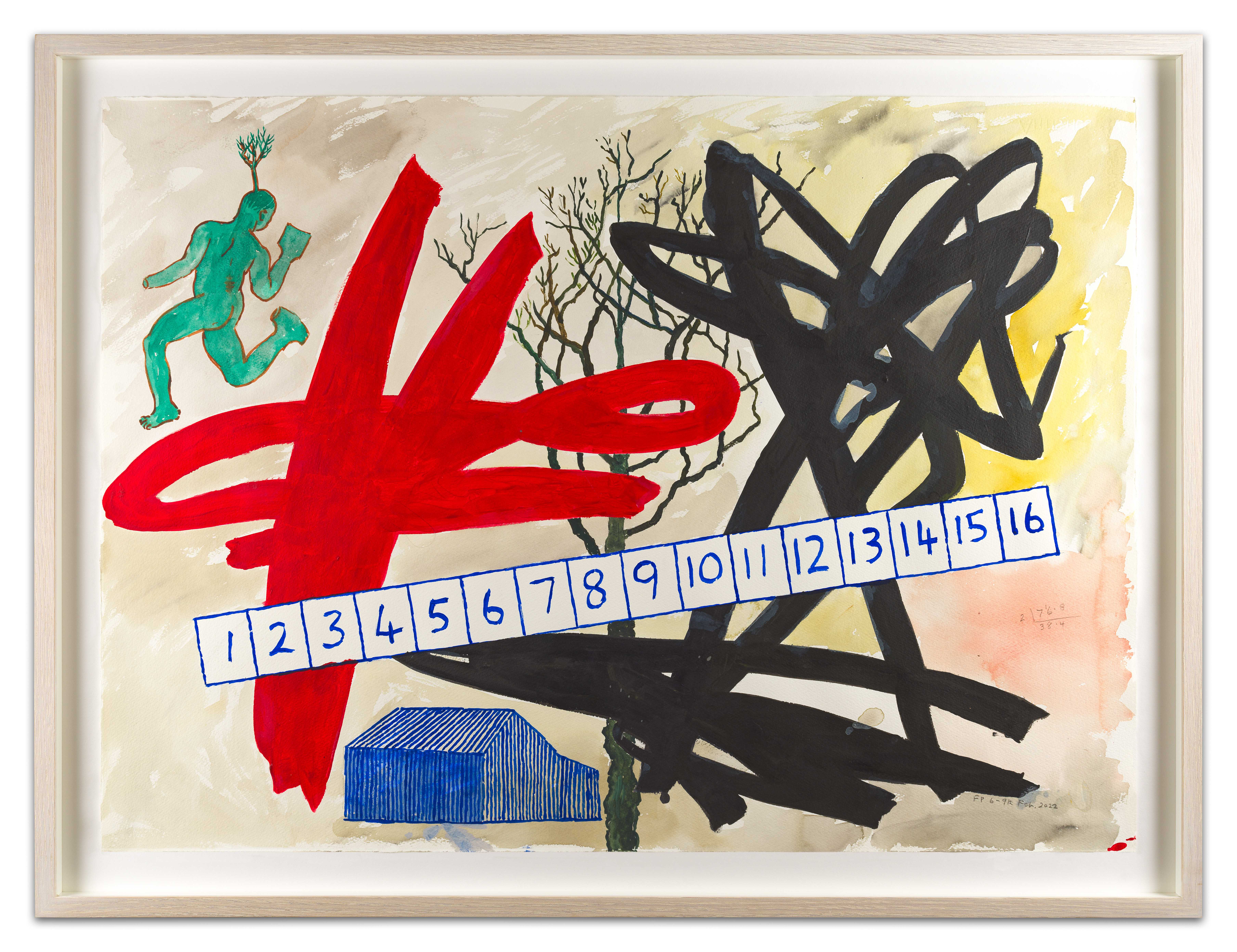
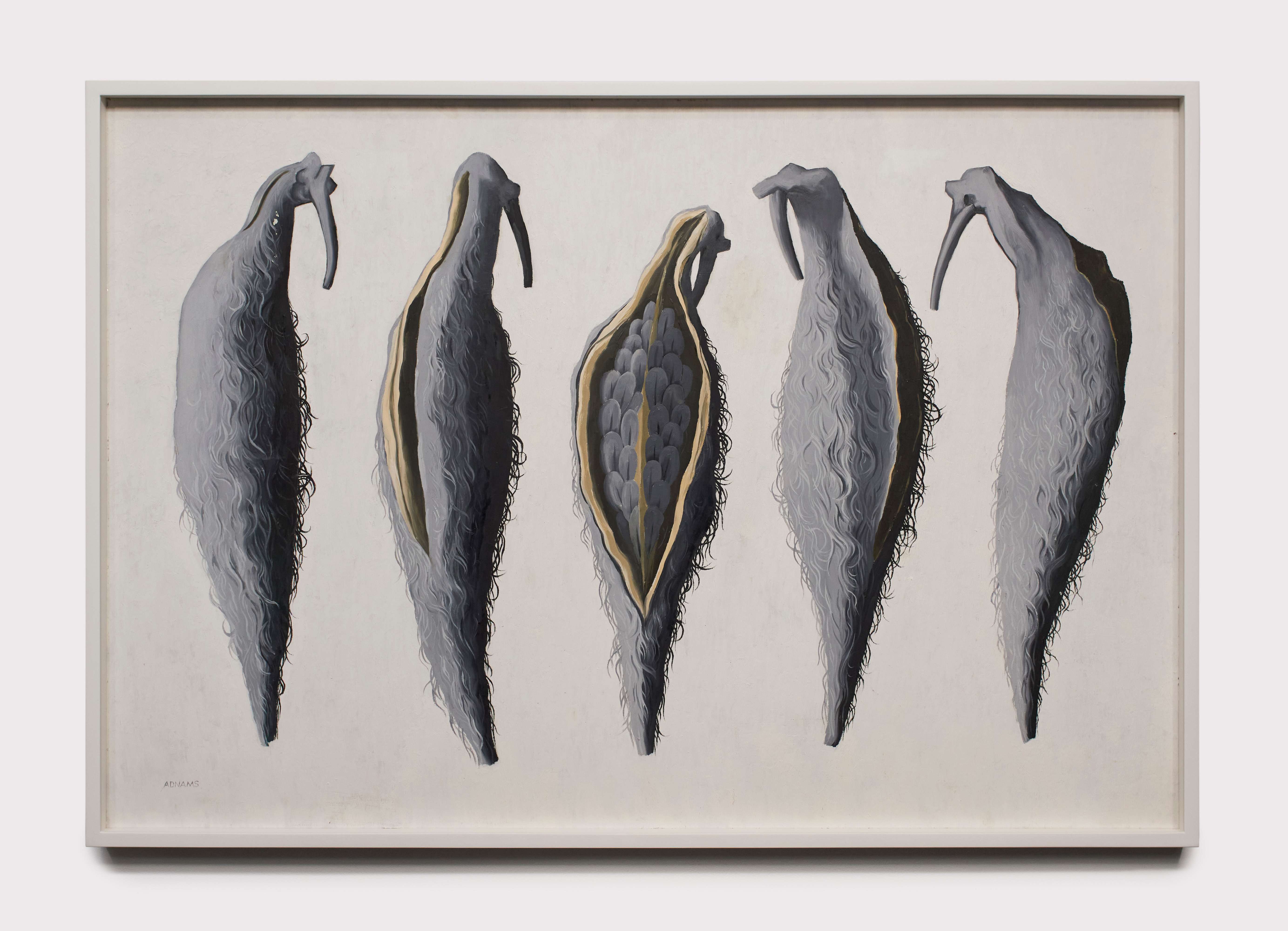
The collection includes important works by Louise Bourgeois, Glenn Ligon, Lucian Freud, Phyllida Barlow, Georg Baselitz, Marion Adnams, Zhang Enli, France-Lise McGurn, Dana Schutz, Ella Kruglyanska, Victor Pasmore, Antonio Tarsis, Béla Kádár, James Shaw, Meta Isæus-Berlin, Wyatt Gallery, Mia Chaplin, Ray Parker, Sutapa Biswas, Zena Kay and others whose practices continue to shape and complicate the narratives of twentieth and twenty-first century art.
Joseph Clark is a London-based collector and cultural producer working internationally. He is the co-founder of V21 Artspace, a platform dedicated to producing 3D virtual exhibitions and immersive CGI environments that expand access to art and cultural heritage.
His work is underpinned by an ongoing interest in how art is encountered. Through V21 Artspace, he engages closely with the question of access, not as a secondary concern, but as a fundamental condition. How a work is seen, studied and returned to shapes how it is understood over time. In this sense, access is not neutral, but one of the primary mechanisms through which cultural history is formed.
Art advice from a fellow collector, centred on your interests and collecting ambitions.
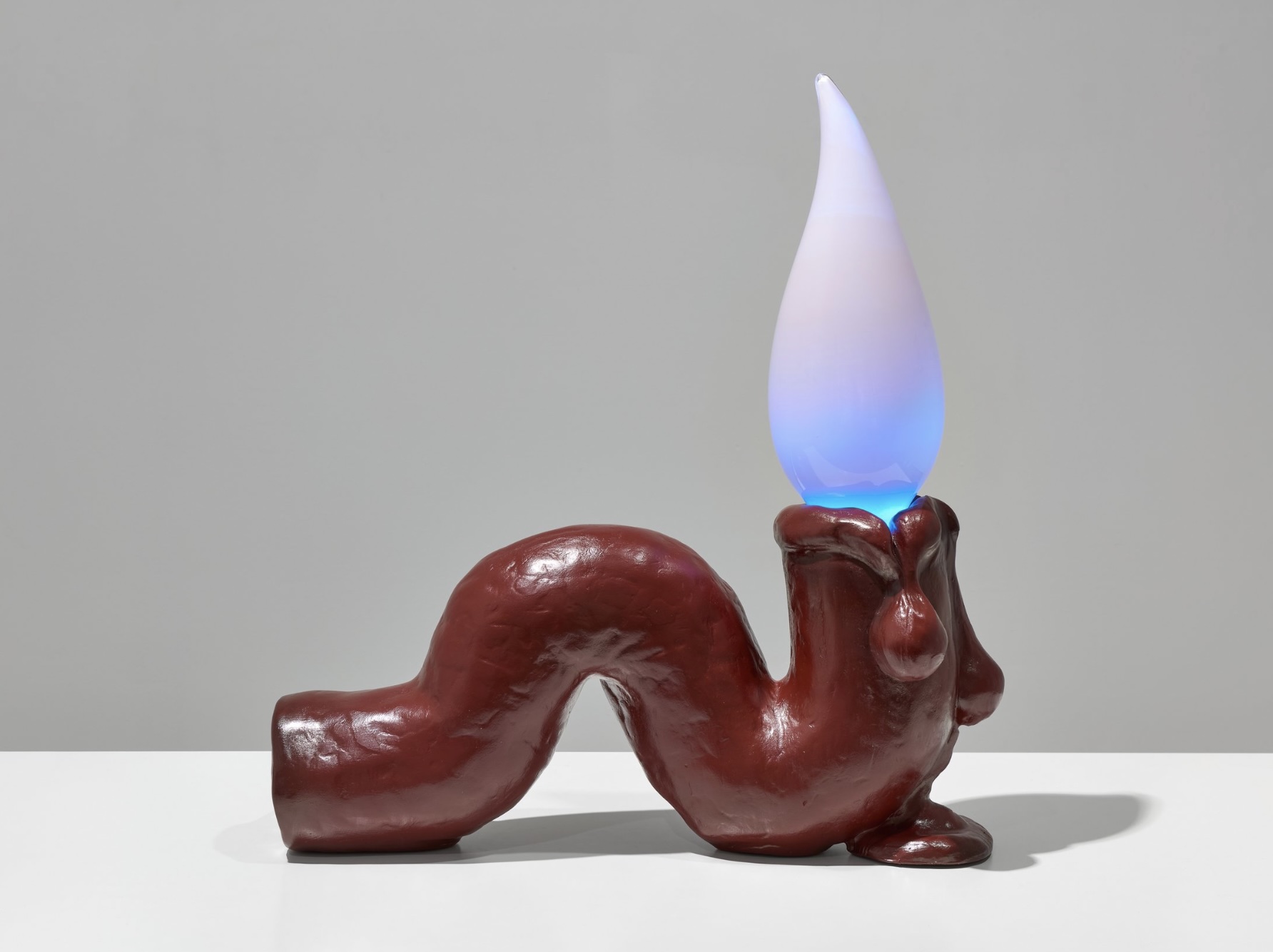
From the collection
On Moving Early
The End of Politeness in Collecting
Joseph Clark on timing, risk, identity and building a collection as a field of dialogue rather than a hierarchy.
Read the essayFrom the Collection
Lucian Freud
Untitled (Joe)
Graphite on paper · 7 1/8 × 4 5/8 in.
© The Lucian Freud Archive
Recent research undertaken by collector Joseph Clark, aided by his close friend Hugh Smithson-Wright, has opened new avenues of investigation into this small, enigmatic drawing inscribed simply “Joe”. The central question remains unresolved: who was Joe?
Emerging evidence suggests the drawing may relate to works associated with Freud's 1943 visit to Loch Ness. Comparisons with Jimmie (Ghillie at Loch Ness)and early 1940s sketchbook material have focused attention on the sheet's dimensions, patina, drawing technique and handling of the figure.
The work is presented here as an active research project rather than a solved attribution, with the inscription, dating and possible Loch Ness connection still under investigation.
View Full EntryFrom the Collection
Lucian Freud
Untitled (Joe)
Graphite on paper · 7 1/8 × 4 5/8 in. (18.1 × 11.7 cm)
© The Lucian Freud Archive
Recent research undertaken by collector Joseph Clark, aided by his close friend Hugh Smithson-Wright, has opened new avenues of investigation into this small, enigmatic drawing inscribed simply “Joe”. The central question remains unresolved: who was Joe?
Emerging evidence suggests the drawing may relate to works associated with Freud's 1943 visit to Loch Ness. Comparisons with Jimmie (Ghillie at Loch Ness)and early 1940s sketchbook material have focused attention on the sheet's dimensions, patina, drawing technique and handling of the figure.
The work is presented here as an active research project rather than a solved attribution, with the inscription, dating and possible Loch Ness connection still under investigation.
View Full Entry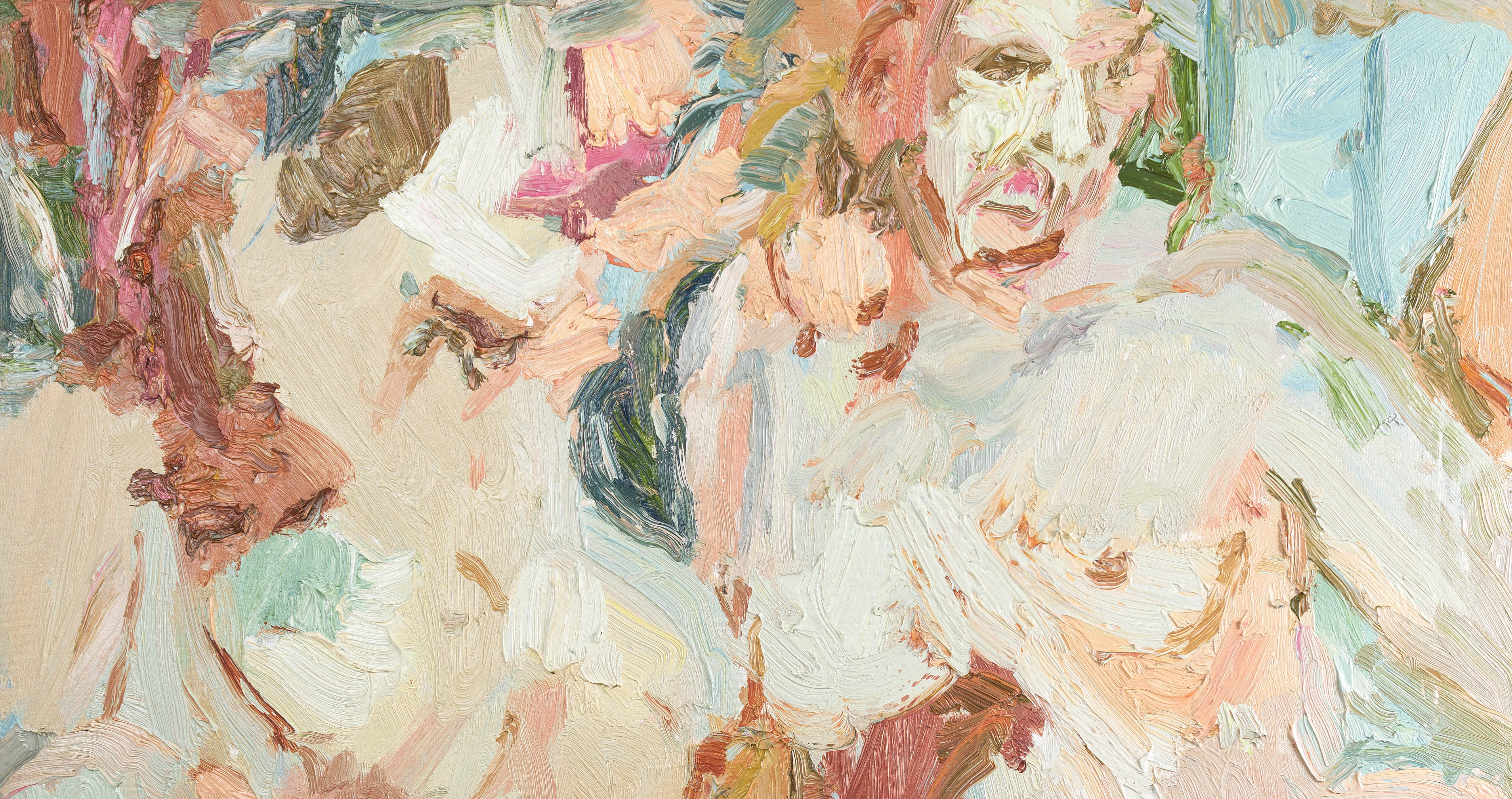
Collection Ethos
Art speaks where emotions linger, giving form to what cannot be said.
Current Status
The collection is currently undergoing extensive cataloguing, research and digitisation. A public facing database will launch soon, presenting detailed artwork records, high resolution imagery, exhibition histories and publications.
The collection is open to loan requests at this time and welcomes curatorial engagement.
collection@joseph.artCustodianship
The collection is constituted as a corporate rather than a personal holding. Title to the works is vested in N1 Ltd; their custodianship — conservation, framing, storage, transport, insurance and the maintenance of records — is undertaken by Joseph Clark Collection Management Ltd. Joseph Clark directs the collection's development within that framework.
This structure supports the collection's work as an active trading enterprise and a long-term cultural undertaking. Acquisition and selective sale sit alongside conservation, research, loans and publication. Each work is documented through its ownership, condition, location and exhibition history, so that decisions about its future are informed by both commercial judgement and curatorial care.
Joseph Clark Collection
Acquired with care, researched in depth, and open to curatorial dialogue.
© 2026 Joseph Clark Collection
All artworks © the respective artists or their estates.
Title vested in N1 Ltd. Custodianship by Joseph Clark Collection Management Ltd.
Catalogue and public database in development.
Joseph Clark Advisory